My name is Cecilia, and I went on a virtual exchange to Lima Peru “with” my buddy Isa. It was a perfect match. We immediately bonded over TikTok, baking, cooking, sports, school, even Covid-19, sharing our frustration and quarantine activities. We cooked together over Zoom and watched a movie together. We also had most of our classes together, so we got to work on slides in breakout rooms, and she was able to introduce me to lots of other girls. She was the best buddy I could have asked for, always making sure I had the material for class, the links, the correct times.
As for my classes, the teachers did a great job welcoming and introducing me to everyone. They always made sure to fill me in on content I had missed, which was very helpful. The classes I participated in were child development, biology, physics, history, and history of Peru. One challenge in the history of Peru class was that it was taught in Spanish, but I was able to observe the teacher’s screen and gain some context. In a lot of my classes the teachers would put us in breakout rooms to research different topics, which I really enjoyed because I would usually be with my buddy and 1-2 other girls. I learned a lot about ecosystems, childbirth, China and Japan’s history, and kinetic energy.
My favorite class was one day at 6:30 am. Our teacher let us start the class by introducing ourselves and asking questions about Peru or California. At the beginning it was regular questions about school, coronavirus, etc., but then we started to be bold. We bonded over the topic of boys, TikTok, junk food, and more. It was interesting to hear about how different it is going to an all-girls school, and they were intrigued to hear about me attending a co-ed school. After about 30 minutes with the conversation flowing, Miss Ines let us save the work for next class and keep talking.
It was easier than I expected to form friendships over Zoom. I thought it would be awkward and tough to find a conversation topic, but it was super easy to start with basic questions and then let the conversation take its own course. I am super excited to meet them one day in person, and I know we will stay in touch!
After picking up my bag from baggage claim, I turned around and saw my host, Gaby, and her dad, Camilo. It had been exactly a year since I hosted Gaby at Athenian and we were both so excited to see each other again. On our way home, we stopped at one of the only bagel stores in Bogota (since Gaby knows how much I love bagels), and then to the apartment that I now call home. One of the first things I noticed was how aggressive the driving is here. Despite it being 6:30 AM, there was already a significant amount of traffic and drivers honking every two minutes.
The day after my arrival in Bogota, my host family and I hopped on another plane to the beautiful Caribbean coast of Colombia. We stayed in the old city of Cartagena for one week. This was a very peaceful and relaxing way for me to assimilate into Colombian culture and get to know my host family. Some of my favorite memories from Cartagena were walking around the old city to get ice cream or pastries with Gaby and Lucas, her younger brother.
After an amazing week in Cartagena, we flew back and began school at Colegio Los Nogales. After an early 5:00 AM wake-up and an hour commute to school, I was immediately greeted by my exchange mentor, Paula, and by the other exchange students, Kelly and Ingrid (from Beijing and Denmark). My host introduced me to all of her friends during recess and we all got along so well. Everyone at Nogales is so welcoming and helpful, which made it very easy for me to make friends and feel comfortable.
On the weekends, we usually drive to other parts of Bogota to go shopping or have lunch. Some of my favorite places are Boho, which has many cute cafes and flea-market stands, and Andino, which is similar to Walnut Creek. Last weekend, I went with the other exchanges to a country house in Cajica, which is about two hours away from Bogota. We had a barbeque and fondue and spent a lot of time playing with Salma’s dogs. The country house was near a forest and had breathtaking views of the mountains.
At the time I am writing this, my exchange is about halfway over. I am very excited to see what is in store for these next few weeks.
I had known for months that I was going on exchange. I had
completely accepted the reality of living in a foreign country without my
family for more than a month. I had been on community service and Round Square
trips without my parents before, so I thought I was thoroughly prepared for
whatever was coming my way. Going onto the escalator up to the security line at
LAX, however, was like taking a giant leap of faith. It was hard for me to go
because I didn’t know what was there waiting for me. That particular moment taught
me a lot about taking risks. I just have to dive right in and take the plunge –
it might be worth it. In this case, it certainly was.
Despite my moment of panic in security, the journey to
Melbourne was uneventful. The grueling 16-hour flight passed quickly with the
help of plenty of movies. Australian customs was also a breeze – because I was
unaccompanied and under 16 I went in a separate line that took less than 10
minutes. I took a deep breath before walking out of the security area, all
three bags in hand. When I saw my host, Annie, waiting for me, I was so
overjoyed to finally be reunited with my best friend from Australia.
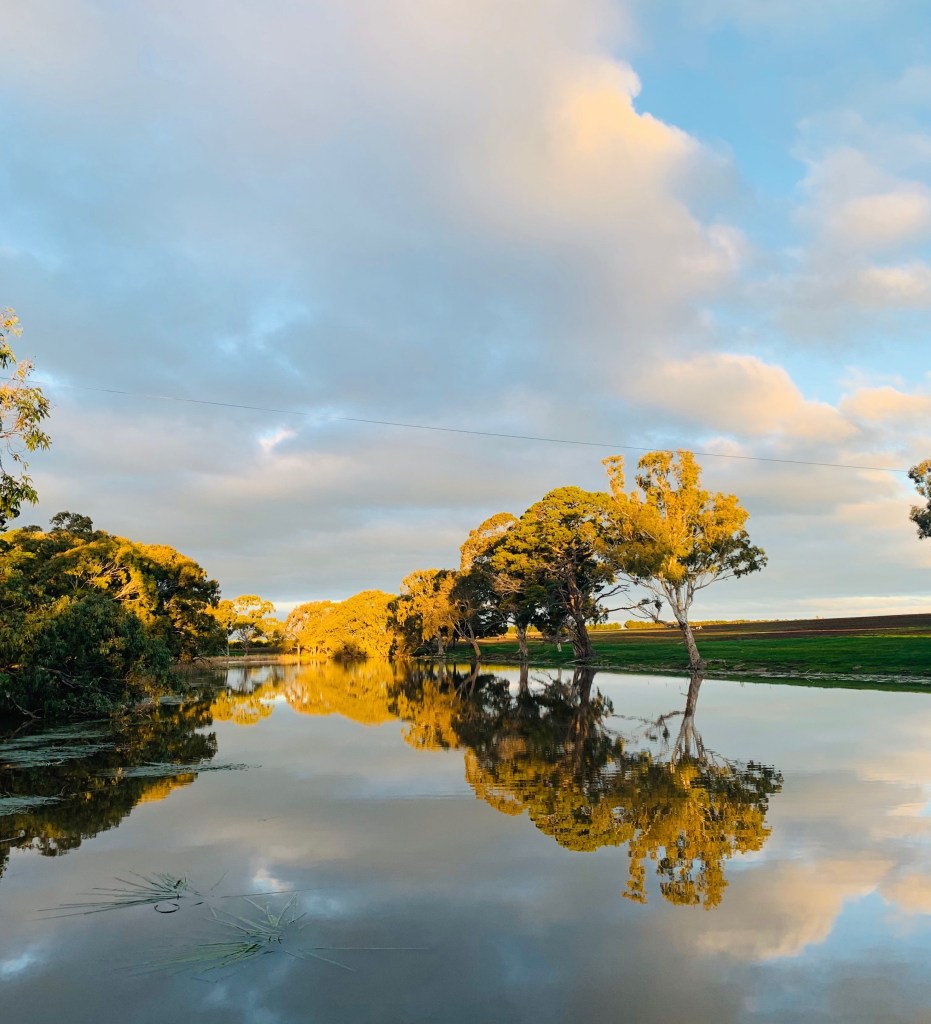
The view from our house on the farm.
Immediately after meeting her family, we packed my bags in
the car and began the long ride home. Annie and her family live on a farm two
hours outside of Melbourne and an hour outside the nearest city, Ballarat. It
was shocking for me to live on a farm so far away from a city. I’m used to
biking 5 minutes to pick up groceries; however, I got used to living on a farm.
I learned that sometimes a commute to school or the grocery store is worth it for
the amazing experience of living surrounded by beautiful countryside.
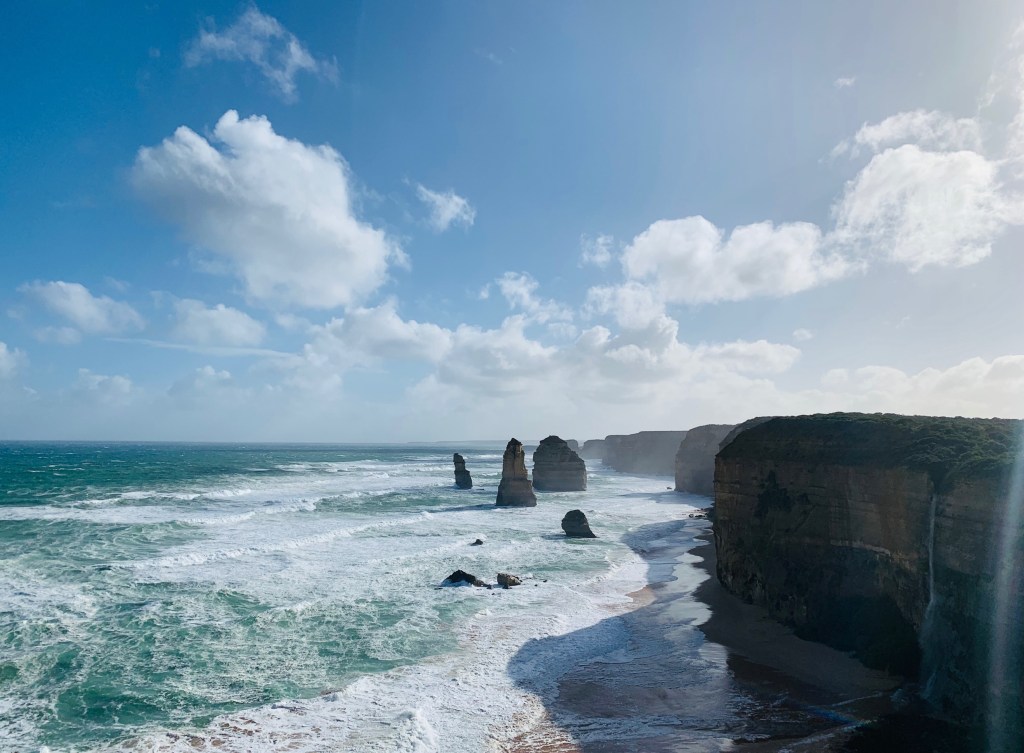
The Sixteen Apostles, a stop on the Great Ocean Road
The day after I arrived, we packed up our things, and began
a road trip along the Great Ocean Road. The Great Ocean Road felt like the Highway
One of Australia, complete with breathtaking views of the coast and charming
towns all along the way. This was a great opportunity to get to know my host
family before school started in a week.
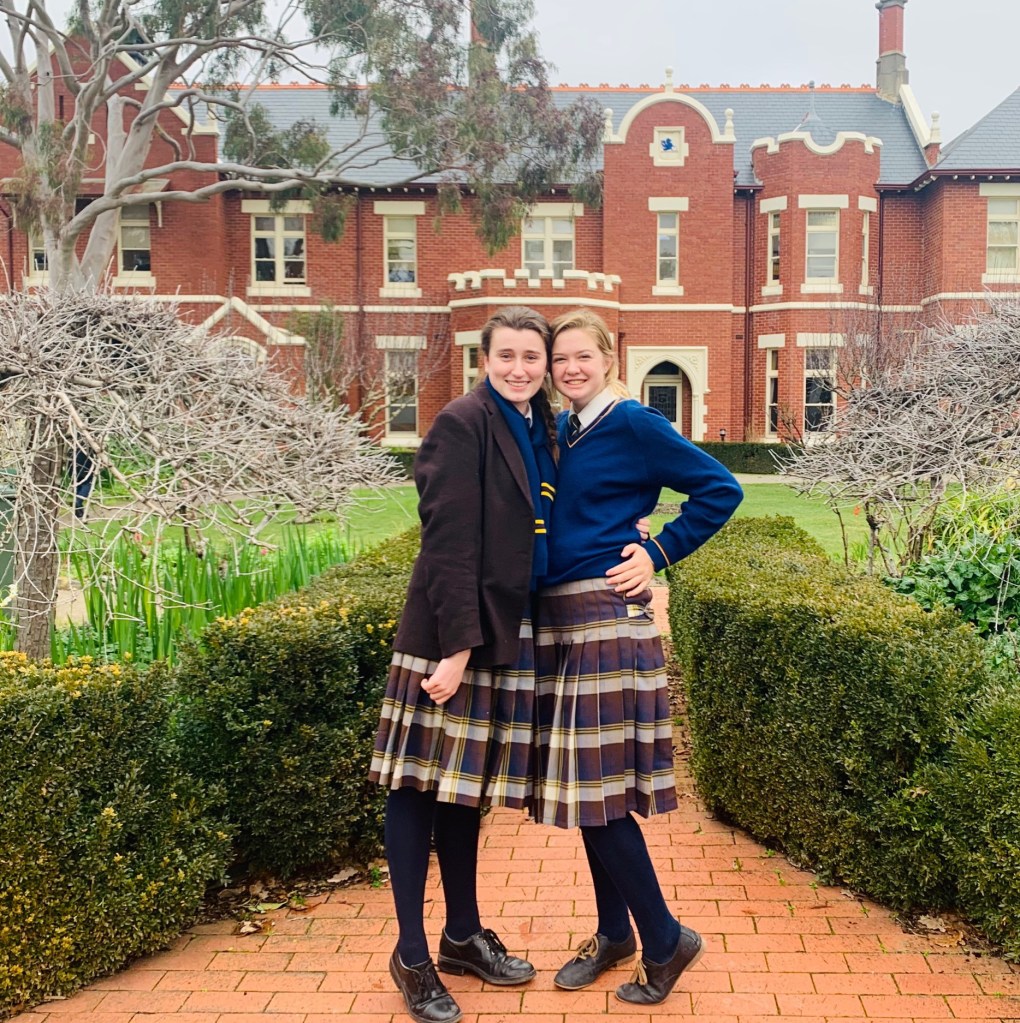
Abbey and I in front of one of the school buildings.
Going to school for the first time was incredibly difficult.
I was really scared to go into an environment where I knew absolutely no one. Annie
and I were in different year-levels. She introduced me to a few people in my
grade and helped me with my schedule, but besides that, I was on my own. I
learned a lot in the first few days of term–about being outgoing and
persevering through tough situations. By the end of my first week, I had many friends
and knew a lot about Australia and the differences between their schools and Athenian.
Me and my sheep at the sheep showing competition.
In Australia, not only are the course selections different,
but so are the ways that school is structured. One of the unique opportunities
I had at Ballarat Grammar was to take an Agriculture class, which is a standard
course offering in Australia. In Vet Ag, I learned about farm management as
well as about buying and selling sheep. In our practicals, I had the amazing
experience of working on the school farm every Thursday, participating in a
“Sheep Showing Competition,” and witnessing a lamb birth.
Another thing that was different about Australian school was
that each student is placed in a house once they enter year 7. It reminded me a
lot of Hogwarts because each house has its own uniform for certain days and a
crest complete with a fancy Latin motto. My school had 12 different houses,
each one of them in pairs of brother-sister houses. From years 7-12, students
participate in many activities and competitions in their houses. As I
experienced, there is a lot of house spirit and everyone gets quite
competitive. While I was attending Grammar, they held an annual house
competition called Chorales. Brother-sister houses do a singing and dance
routine to an assigned song, performing in front of the whole school. Everyone
was required to participate, including me. Our song was “Funky Town” and we won
first place!
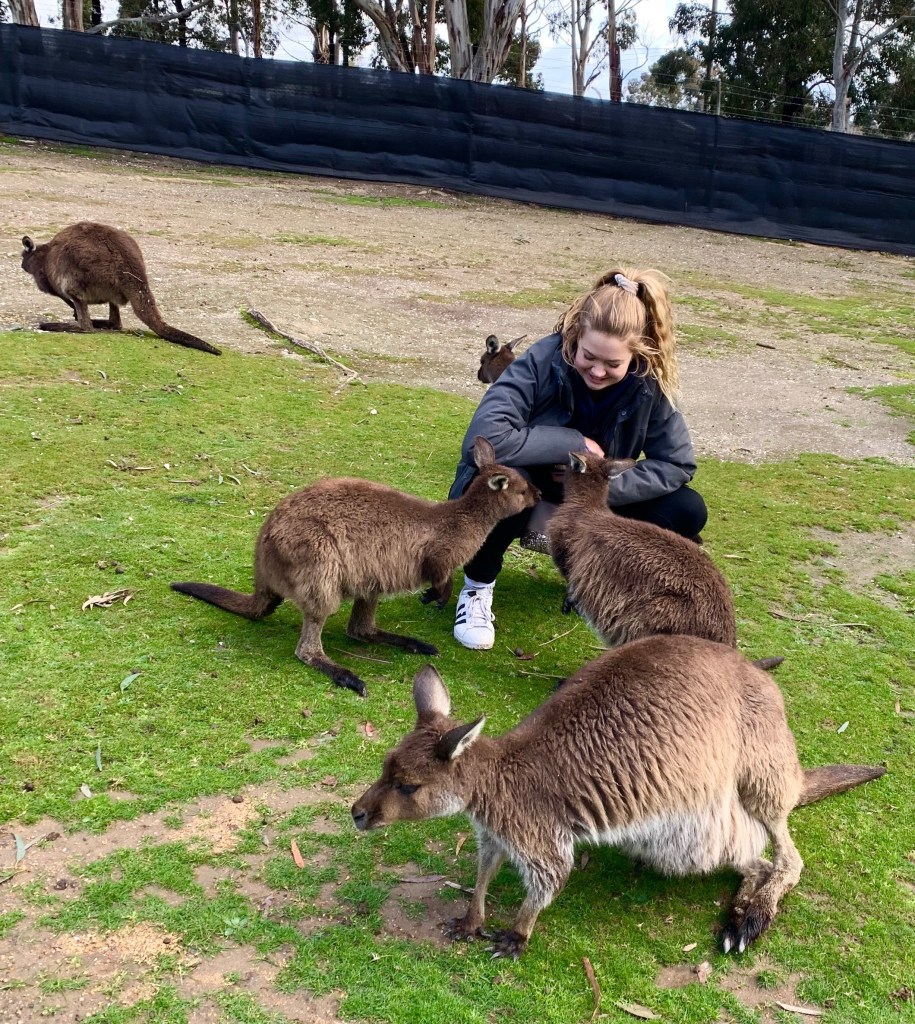
Me at the Ballarat Wildlife Park
On the weekends, Annie and I would try to jam in as much
time together as possible. While we spent a lot of time doing typical tourist
things–going to the Wildlife Park to pet kangaroos and koalas–some of the
things I enjoyed the most came from just being with her as she went through her
day-to-day life. I would come to her Netball games (an Australian sport that’s
like basketball but with the rules of ultimate Frisbee) and then we’d stay and
watch part of the neighboring Footie game. Or, we’d spend an afternoon on the
farm riding motorcycles and checking out the shearing shed. These are the
moments I treasure the most, because it’s such a unique experience only
exchange could have given me. Because I wasn’t a tourist, I had many other
opportunities and I was able to see the country in a different way. Australia
is not all about the accent and the bizarre marsupials. Australian people
really have a strong spirit and connection to their country that you can only
really understand by living there.
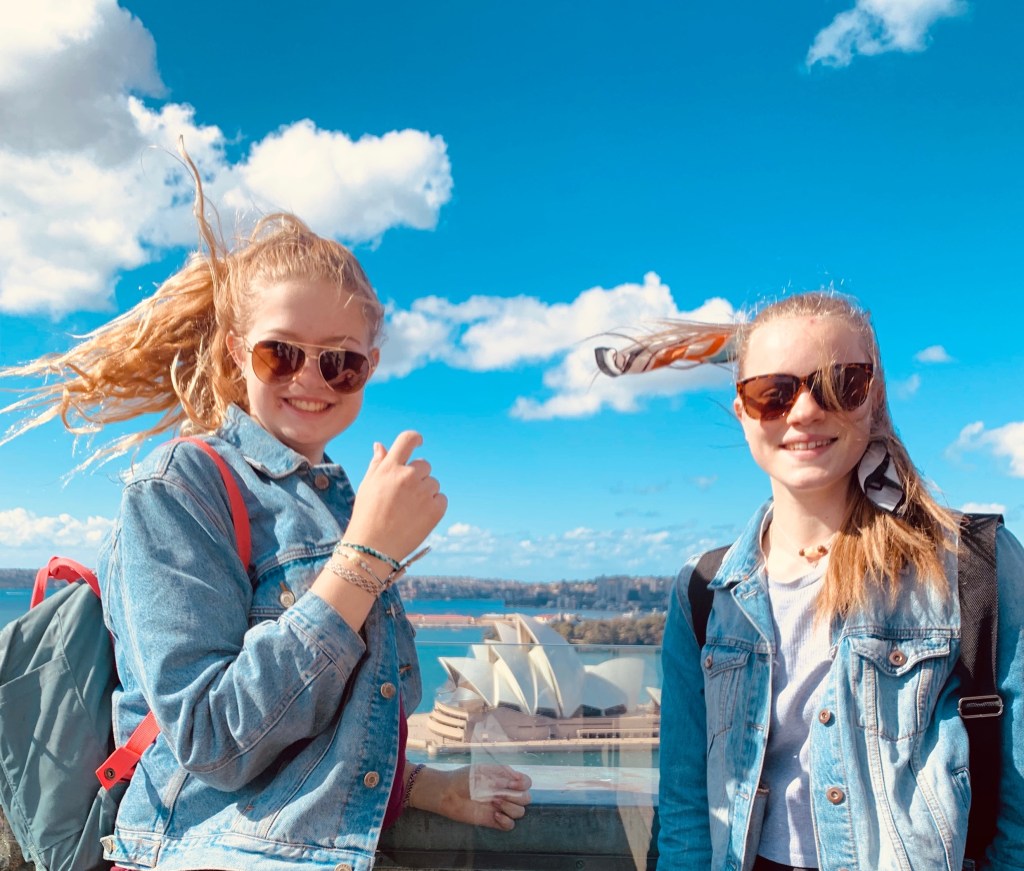
Annie and I at Pylon Lookout.
By August 16, my trip was coming to a close. I had already
bid adieu to all of my incredible school friends, and only had one weekend left
with my host family. I was heartbroken that exchange had come to pass so quickly;
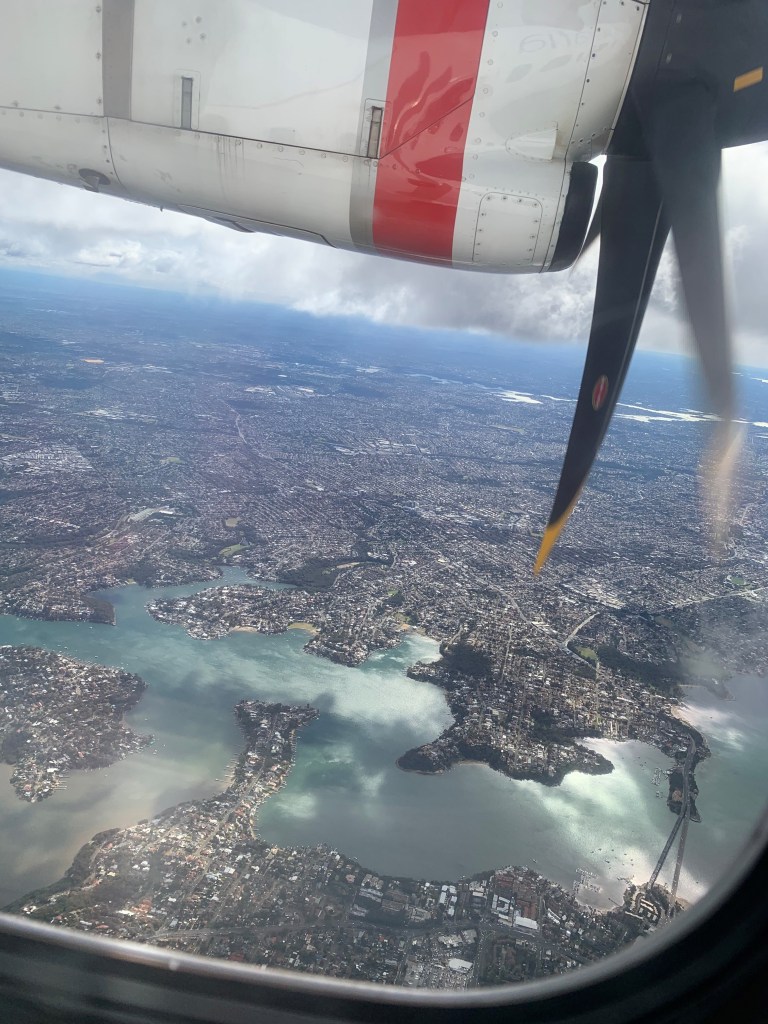
however, we made the most of our last weekend together. We took a plane up to
Sydney and had the time of our lives exploring the city. From the Harbor Bridge
and the Opera House to the gorgeous coastline around Bondi Beach, Sydney really
had it all.
My last day was so emotional for me. It was so hard to
reckon with the fact that I was actually leaving Australia–my home away from
home–and my second family. I know that I will be back as soon as possible to
visit my amazing friends and family. I will forever cherish my time in
Australia, and all the little moments that brought me so much joy.
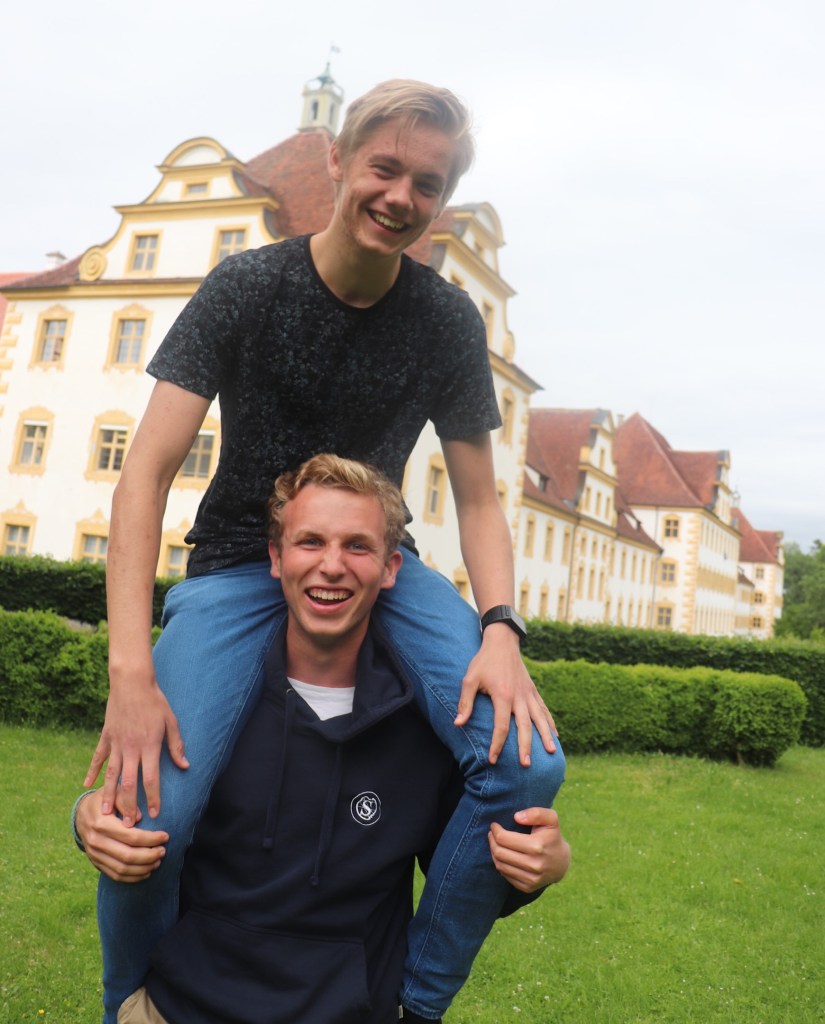
I have
arrived here in Germany! From the time I arrived until now, time has flown by
very quickly. It has already been three weeks since getting off the plane in
Munich. It has been quite the experience so far. I have met so many new faces, gone
to many places, and have adjusted to the boarding culture at Schule Schloss Salem,
something drastically different than being a day student at Athenian.
The most
difficult aspect of my trip so far has been the language barrier. There have
been several occasions where it has been challenging to interact with the
German students. If they are all together as a group, they often aren’t
interested in speaking in English. It does make friendship more difficult, but
usually one or two of them in the group will talk with me in English. Luckily,
I have found a lot of students in the English system that I have become great
friends with. I wish I had used Duolingo before I left for exchange.
The environment
in the school is much stricter than Athenian. All devices must to be turned in
each night at 9:30 pm until the next day after lessons are over. We usually get
them back around 2:15 or 4:00 pm depending on the length of the school day. It
is definitely something to get used to coming from the relaxed phone culture at
Athenian. The phone policy feels nice after a while to simply interact without
the distraction of phones and live in the moment. They have a silencium each day
for two minutes during lunch, where students and teachers must be quiet while
eating. Also, all students are woken up each morning at six-thirty for a
morning run. It is a tradition where everyone must run for about five minutes
outside before getting ready for school. It is such a rude awakening, but it
does get the blood flowing and makes me less tired. In reality, it is probably
not that strict, just coming from relaxed Athenian.
Students
come mainly from all over Europe and Asia, and even the U.S, representing a
broad range of nationalities. It’s unlike Athenian, where the majority of
students are local except for the small number of boarders.
When I
first arrived, the weather here contrasted to the sunny California climate. It
was pouring rain and cold here for many days, which had me missing home. My spring
tan had quickly faded. At the beginning of June, it luckily turned sunny and
warm. Many of us swam in the local lake and ate ice cream to cool us down.
The food
here in Baden-Württemberg, which is the German state I am in, I will definitely
miss. Sausages and meat are the main cuisine. One of my favorites is
“Currywurst mit pommes,” which is sausage covered in a delicious red sauce and
French fries on the side. It’s so good and I have had it many times. All of the
traditional food is quite heavy.
At my last
day in Salem, there was a massive alumnus gathering of about 1,000 people. One
of the school’s buildings was transformed into a dining hall to serve dinner to
all of these people. It was the job of the students to serve dinner to those adults
who used to attend Salem. I decided to help out as I had nothing else to do and
since all of my friends would be participating. It ended up being one of the
most memorable experiences of my time in Germany. It was chaos as about fifty
students with their serving plates navigated through a jam-packed sea of alumni.
When I was serving, I felt like a fish going against the current. It was
overwhelming serving and cleaning up after them. However, it was incredibly
interesting to me to watch all of these wealthy people going crazy and
screaming German words I didn’t understand at each other. The vibe was like an
over-the-top bachelor or bachelorette party. The dinner looked fantastic, and
the students were able to eat the leftovers. All of these alumni were invited
because they had donated a certain amount of money to the school.
After my
time at the school ended, I found myself so grateful for the experience I had,
yet a little disappointed. I wanted more of my exchange experience. I only went
to school for three and a half weeks. That’s a short time for exchange. My time
at Salem was amazing, yet I think if I was there for a few more weeks I could
have gotten much closer with the friends and made a lot more memories with
them. Other than that, this experience has been something I will never forget.
I had so much fun with everyone there and it was a nice change from going to
school at Athenian. It’s so cool to stay in touch with friends across the
world. Another of my friends lives in New York City, which is much easier to
get to than Germany.
After
Salem, there was a two-week holiday. My exchange partner and I traveled to
Berlin, Hamburg, and Munich. These are the three biggest cities in Germany.
Since Olivia Ghorai was on also on exchange at the same time in Hamburg, I was
actually able to meet up with her for an hour. We both talked about our exchange
experiences and how it felt to be in a completely foreign place. It was a lot
of fun to be with somebody that lives so close to you, yet see them across the
world.
Now, as I
write this, I am about an hour-and-a-half from landing in San Francisco. It
makes me sad that this experience has come to an end. But I am excited to live
my life in California in a different way, having grown from this exchange
program and become more confident in myself. I hope to visit Germany next year
and see Yannick again. We’ve become much closer friends and laughed a lot
together. I will miss annoying each other and all of our inside jokes. His
family was so amazing and kind to me. I will definitely stay in touch with
them.
I’m
writing this is on US soil, so maybe it’s cheating, but I’ve only been in the
United States 34 hours. I honestly expected coming back to the monotony of home
to feel like a letdown after being surrounded by novelty and intrigue and challenge
for a month, but I was surprised. It felt good to come home. Driving through
LA–I flew from Buenos Aires to LA, had breakfast with family, and then flew on
to Oakland–after landing felt like visiting my grandparent’s house as a kid. I
don’t know how to describe it better than that.
Pulling
into my driveway didn’t feel as jarring as I thought it would, just like I was
back after a road trip for a week or two. Seeing my family felt good. My sister
ran and hugged me in the driveway, refusing to let me go for several moments. My
bed felt amazing. There’s something about your own sheets and comforter and
pillows. Nothing else will ever really measure up.
In
terms of the last week of exchange, I’d say what I felt more than anything was
just wanting to stay for longer. I missed my family the most the first weekend
and the last weekend. But, I was really sad to leave Buenos Aires as I was just
beginning to make friends. I was also sick the last two days of school, so I
didn’t get to say goodbye to anyone from school. I did say goodbye to my host,
and that was sad for both of us. We plan to keep in touch.
The
adjustment to home so far has been good. It has started to feel normal pretty
quickly. School starts tomorrow, though, so perhaps I shouldn’t give you my
assessment until after that.
If
you go on exchange to the Doon School, the first thing I recommend you do after
taking your bag to your room is to get a uniform. I found that this was
an important step for two reasons. First, you will feel much less out of place
once you have a uniform. Chances are, when you arrive, you will still be
wearing whatever you wore on the plane, while the rest of the boys are required
to arrive already in uniform. This will make you feel even more out of place
than you would normally. You will feel much less obtrusive once you have a
uniform. Second, your clothes are likely not a fit for the climate, while the
uniform is. If it is hot when you arrive, you will want to put on something
breathable, which the uniform surprisingly is.
Once you have gotten yourself a uniform and unpacked, you should introduce yourself to your roommates. You will likely be in a room with four other boys, one of whom will be your exchange partner and you will have to get to know the other three. These will be the boys who will look after you and make sure you are doing alright. They can only do this if you get to know them.
Hierarchy:
Seniority is everything. Older boys have the power to make younger boys their servants. Younger boys will have to wake up early with alarms so that they can get dressed before going upstairs to gently wake the older boys. They also distribute snacks at night to the older boys while they are studying. If they fail to do this in any way (skip a room in the morning, wake someone up too violently, forget a person when distributing snacks, etc.), the older boys will punish them by making them hold a push-up position for as long as they feel is necessary. Younger boys will be expected to yield to older boys in any situation. They will be very confused if, for example, you do not cut them in a line.
Academic Culture:
One
of the most interesting things about the Doon School is the culture built
around academics. The school is the absolute best in the entire country, which
means that it intrinsically attracts students who are academically motivated
and then only selects a choice few of those who are especially capable. Thus,
all the students who attend must be distinctly smart and academically motivated.
Once inside it is apparent, however, that the reputation of the school precedes
the characteristics and motivations of the student body. In an obvious attempt
to address this issue, the administration tries to fabricate more academic
motivation in the following ways:
All
grades, marks, scores, etc. are 100% public to anyone who wants to see them at
any time regardless of relation. Rankings of students are posted in the
classroom and are attached to report cards. This is designed to make the top
boys feel competitive for the best spot and to shame those who fall to the
bottom, so that all boys feel more motivated to do better than their peers.
The
Average Grades on standard tests by class are posted on the doors of the
teacher’s classroom, so that it is obvious which teacher’s classes do best on
tests. This similarly encourages the teachers to compete and thus to spend
class time pressuring their students to study harder rather than teaching the
material.
Houses
compete for the best overall grades. Even if pressure from your teacher and
yourself is not enough to motivate you, you will be pressured by your peers in
your house to do well.
This
is very effective. Students care A LOT about receiving High Marks.
NOTE:
They score with a similar system of Letters (A* instead of A+) except that
everything is shifted down. In a math class, it might be something like A* =
100-90%, A = 90-80%, B = 80-70%, C = 70-60, D = 60-50%. I am unsure if this is
a kind of grade inflation or if the grading is just harsher in general to make
up for this.
Food Notes:
Food
is safe. Somethings which you think will be spicy (like chicken) will be plain.
Nothing is guaranteed.
What
I found more interesting than the local food, however, were the foreign foods.
They apply their own tastes to foods from the US and China: pizza usually has
chicken, chow mein is spicy, etc. This is especially notable in non-American
foreign foods. This strikes me as evidence that we in the US also do this (which
we already knew). If we are also changing the food from its original, then to
go from the American adaptation to the Indian is two degrees of separation
instead of one. This idea suggests the existence of a kind of feedback loop
where a food could be exported, changed, imported, changed, exported, and so on.
This happens with a lot of Mexican food. This also allows for repeat parodies, like
Indian pizza, which is an adaptation of American pizza, which is an adaptation
of Italian pizza.
Curriculum Notes:
At
Doon, they study a lot of the same things we do at Athenian. I was able to
wander into Physics, Chemistry, and Math classes and keep up with no extra
effort. They hang posters about the American Revolutionary War in their History
rooms. They offer Spanish classes. They study authors like Chinua Achebe and Chimamanda
Ngozi Adichie in their Literature Classes. The only distinct difference in the general
curriculum was Economics. They offer Economics as a year-round class from 10th
through 12th grade. Many students take it for all three years. I
took this class. I have to say that it seems like very valuable knowledge and
that there is too much for our new seminars to be able to fully cover.
Religion and
Spirituality:
IMPORTANT
NOTE: I was born Christian and technically identify as Atheist and this will
inform my analysis.
The
other exchanges and I attended a religious ceremony on the bank of the Ganges
River in nearby Rishikesh. There were many differences between the prayer there
and common prayer in a Christian church in the US: Polytheism, Dress, Language,
etc. What I found most interesting, however, transcends those more appearance-like
aspects of the spirituality. To draw this distinction, I will again compare to
the traditional American Christian church. A common church in the United States
is arranged such that there is a podium in front at which a religious figure
preaches and receives prayer from the audience as a representative of ‘God.’. I
call this method of expressing spiritual devotion “indirect” as you pray to
something which is abstract and because the sacrifice you make is generally
monetary (indirect in its own regard) and is lost once it leaves your hands. In
direct contrast to the American Christian church, the Hindu religious ceremony
I attended was designed such that everyone (attendees, priests, musicians, etc.)
was sitting together on the same stage, all facing towards the water (the
actual, real-life, physical embodiment of the divine). In this regard, the
ceremony is one of more community – the religious leaders sit next to the
average attendee and do not preach but rather guide the prayer, a prayer that
they do not receive but rather encourage. The sacrifice made here is not
monetary but takes the form of fire given to the river on hand-sized boats. I
call this more “direct” because the community prays together directly to the
divine embodiment. There is no middle man and there is no disconnect between
the devotees and the aspect of their devotion. I feel that this distinction is
rather profound, because the average person is much more spiritual/religious,
which I attest to this.
While
in Delhi, I visited several religious places, including a Mosque, a Sikh
Temple, multiple Hindu Temples, and a Bahá’í
Temple. The Sikh Temple serves free meals 22 hours a day and has a pond with
holy fish (which you apparently can’t pet). One Hindu Temple has an amusement
park containing animatronic nativities and an indoor boat ride/exhibit
depicting the lives of religious figures. The Bahá’í Temple is shaped like a
massive nine-pedal lotus. The Bahá’í religion is interesting. It concludes that
prophets and holy messengers from other religions like Jesus, Abraham, Mohamed,
Krishna, Buddha, etc. (notably not Joseph Smith) are all representatives of the
same God and are carrying effectively the same message. Because of this, they
are very accepting to basically any faith that enters their temple as they
believe in a portion of the Bahá’í faith.
There is a sort of comradery between faiths. Many people
respect each other for their beliefs as there is a lot commonality between
them. In the same regard, many are confused or offended by the concept of
atheism. It contradicts their faith in more ways than other faiths because it
doesn’t make sense that someone would not have something to believe in.
Miscellaneous:
The Emporium – Every driver in Delhi tried to convince us to
go to this place called the Emporium. Some drivers we found were even waiting
on street corners for tourists to pass by so they could walk beside them to
earn their trust and casually mention the Emporium. (Most are pretty good. They
walk in front of you so you don’t think you’re being followed and offer
assistance like “now’s the time to cross the street.”) One driver was honest
and said something like “they have good handicraft and give me a gas voucher if
I bring tourists” so we went with him and they gave him a voucher proportional
to how much we spent.
Bracelets – Many of the boys in my form wear these silver
bracelets. This seemed odd to me because I think of bracelet-wearing as a feminine
thing and noticed that the boys who did tended to be the more masculine ones. I
learned later that the bracelets function as a weapon. They can be taken off
and used as a kind of brass knuckle. I never saw or heard about these ever
actually being used; however if you know what they are, they work as a pretty
good ‘don’t mess with me’ fashion item.
Teachers ask, “any doubts?” instead of “any questions?” to which
students almost never respond. At first this struck me as a challenge, like,
“Do you doubt my lecture?” I now think it more of a symptom of an overall
culture of not asking questions because you do not want to appear stupid.
After living in Johannesburg for six weeks, I can confidently say that the memories and lasting sense of culture were well worth 48 hours of round-trip travel and a month and a half away from home. Arriving in Johannesburg and being met by my host family, the Bremners, I was immediately thrown into the fascinating cultural chaos that is South Africa.
After a day to recuperate at my new home, school began immediately for me at St Stithian’s College (Stithian being a Saint I’m positively sure Johannesburg pulled out of thin air) where I was greeted by a thousand-strong student body of blazer-clad students in the freezing (literally) morning air. With this many students, even in my sixth week I found myself having to introduce myself as “the new exchange student from America” at a school that otherwise felt surprisingly similar to Athenian. The dress code was strict, and Zulu, Xhosa, and Afrikaans may have been language options, but the similarity in curriculums and most classes was uncanny. After school, I often found myself watching a rugby game or a cricket match at home with my host family. On the weekends, I occasionally found myself at one of Saint’s rugby or cricket games where the crowd was encouraged to sing and yell in broken half Zulu-half English at the opposing team in what they call a “war cry.”
Cape Town from atop Table Mountain
One weekend I was lucky enough to visit Cape Town with my host family. I was shown a wonderful city that I found quite different than Johannesburg. Cape Town is more international than the culturally-confined Johannesburg, as well as more scenic. Cape Town was built from the ocean’s edge up into the mountains that Johannesburg sits on top of–700 miles away and 4,000 feet above Cape Town’s ocean front promenade. And while Cape Town was built into the natural valleys and hills of the Cape, Johannesburg was thrown on top of the ever-so-flat Highveld, the miles and miles of grassland above Cape Town (think Nebraska but with ostriches). That fleeting change of scenery made the walks on the oceanfront promenade and the hikes up the Cape’s vast mountains even more special. My host family also took me on a short boat trip to Robben Island, the prison that was used to house political inmates throughout the historical period of apartheid, where an Afrikaaner party used a political majority to hold down and segregate the country’s Black population.
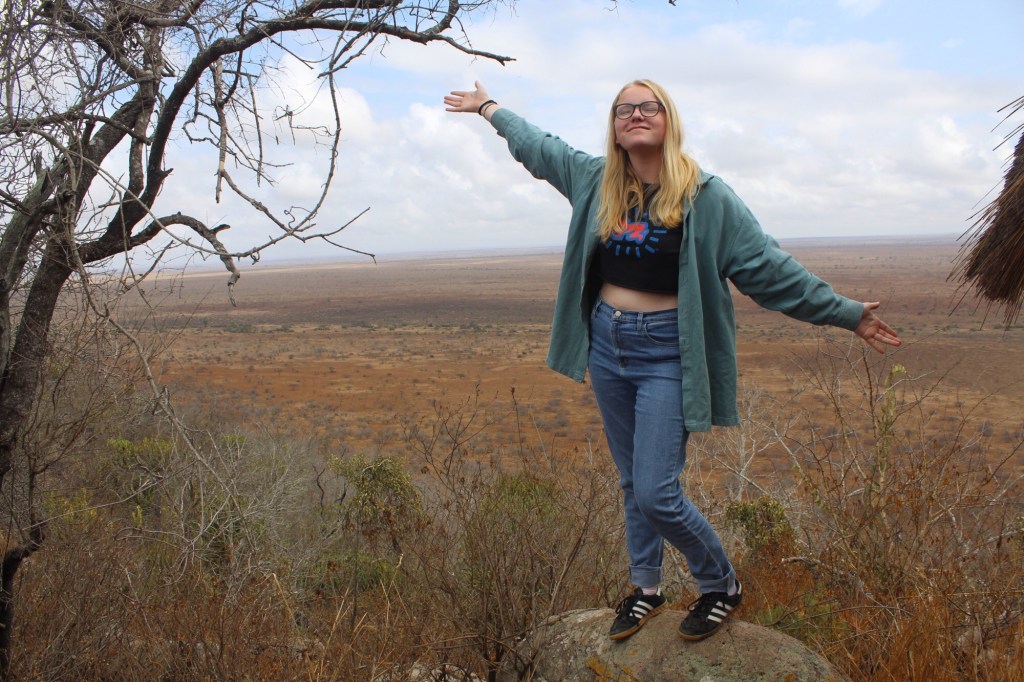
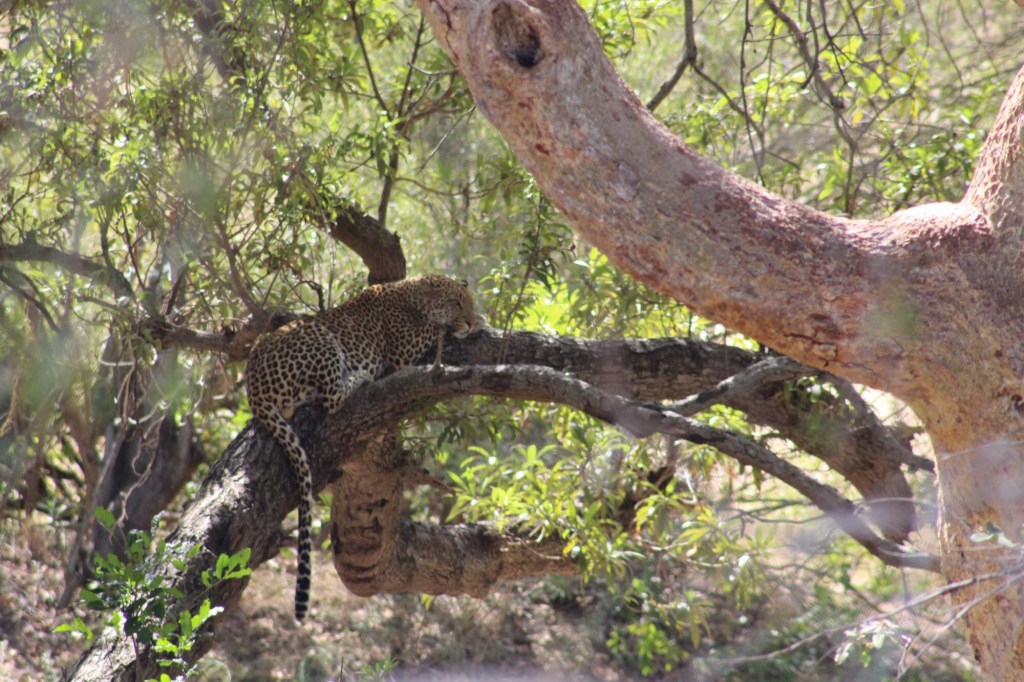
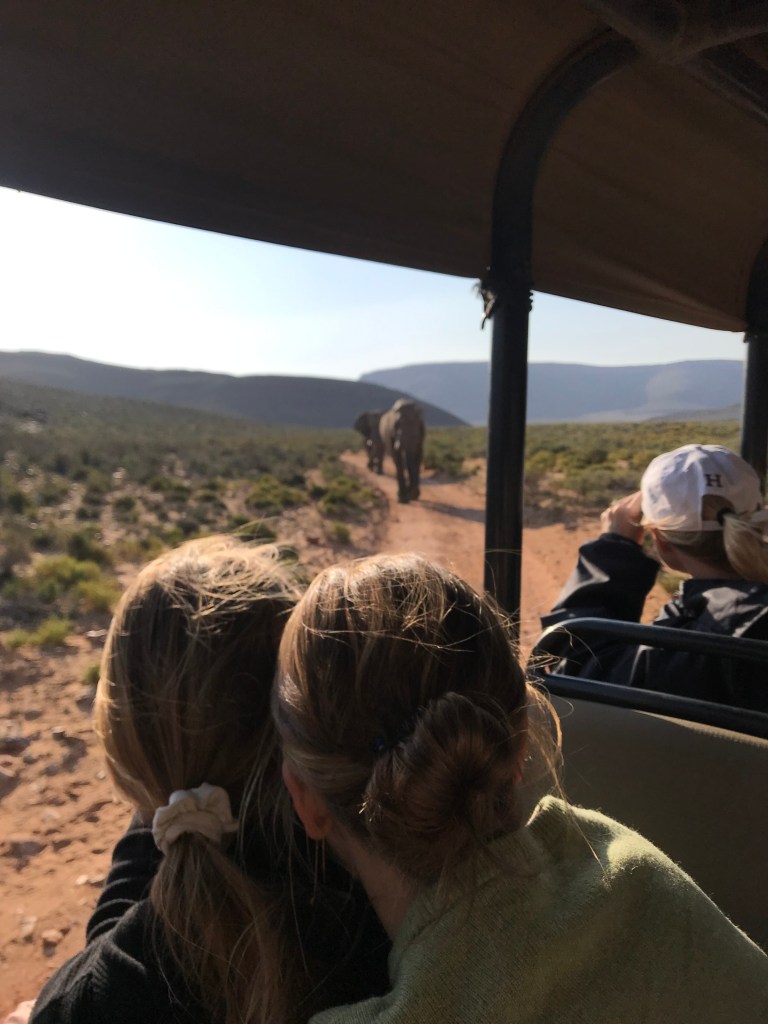
Another week I was treated to a four-day stay in the Kruger Park, a seven-hour drive from Johannesburg. On game drives, I saw animals such as giraffes, leopards and elephants. At night, we routinely had to chase hyenas away from our barbecues. Here, I was also introduced to the African foods pap, which I was pleased to learn I could eat with my hands, and biltong (think beef jerky but worse), which most people in Johannesburg treat more patriotically than their flag. Every day we woke up early and went on a game drive before returning to our zero-emissions house to retreat from the afternoon’s blazing heat.
In between these two fantastic vacations, I found myself waking up daily at 5 am, tiredly looking forward to attending my classes for the day. I hung out with two Jordanian exchange students and small group of Saint’s boys I befriended. While I took slightly fewer classes than the regular Saint’s student (the school graciously allowed me to customize my schedule), I always looked forward to attending my several South African and world history classes. There I learned more about apartheid, the Rwandan genocide, and African history and politics than I ever could have hoped to learn in the United States.
In between classes, the connections I made with my fellow exchange students and students at Saints were transformative. The conversations we had over the best two-dollar coffee I’d ever had will always stick with me. I’m still in contact with some of these students today. While I was initially apprehensive when signing up for the exchange program, this experience is one I would gladly repeat.
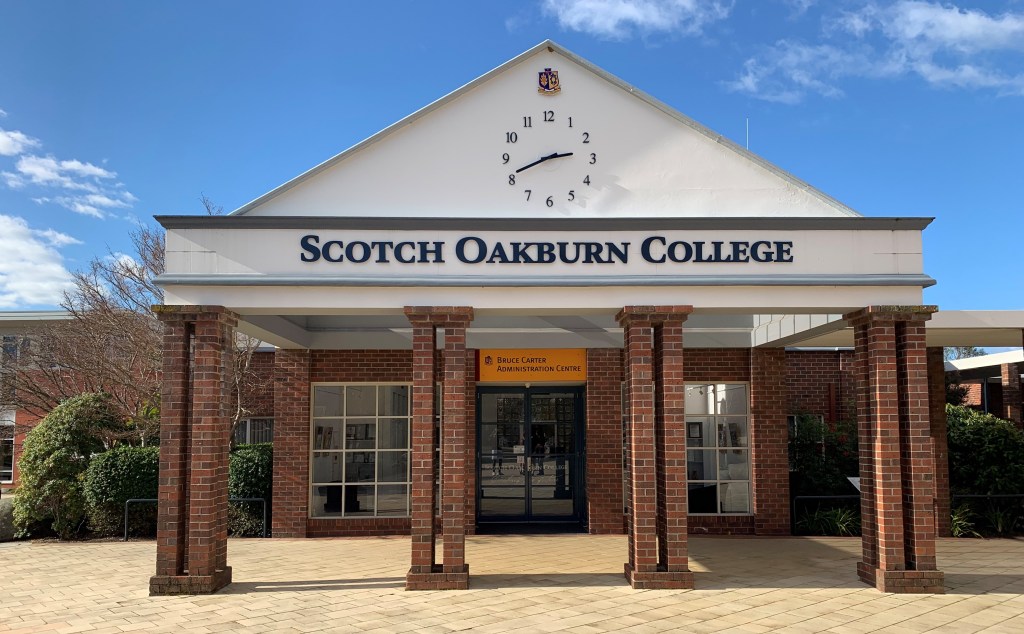
I originally never wanted to go on exchange. It was my mom who persisted and basically ended up making me go. I always thought it was way too much work and a waste of time. To make things worse, in December I found out that I didn’t even get my first choice, which was Latin America. I opened my email to see that I would be on my way to Tasmania in July, to Scotch Oakburn College. At that point I didn’t even have the energy to be disappointed anymore. I was being forced to go to school across the world.
Fast
forwarding to the day I left, there were somewhat negative thoughts running
through my head. All I could think was “Let me just get this over with.”
Although I hate plane rides, the 13-hour flight to Melbourne wasn’t bad. Once
the plane landed I checked in, got my suitcases and wandered around the airport
since I had an eight-hour layover until my next flight. Once I was on the next
flight and we were nearly in Launceston, the city I would be staying in, I
couldn’t stop staring out the window. I saw miles of flatland, animals almost
everywhere you looked, and beautiful water surrounding the island of Tasmania.
The plane touched down, I got my bags, met my exchange, Dean, and his mom, who
made up my host family, and we made our way to the car. I had my first shock as
we got in. I was confused as I saw her walking over to the right side of the
car, I got a little nervous because I thought she wanted me to drive. I got in
and saw that there was no steering wheel on the left, and I stared in amazement
to see it on the opposite side.
We got to
the small house meant for two people, I unpacked my stuff and then immediately
pulled up a calendar to count the days until I was back in the US. I found
myself doing this for the first few weeks, but I slowly started to stop as time
went on. It took me a while, but as I went to bed I realized that I was there,
in Australia, over 9,000 miles away from home. I thought to myself that it was
going to be a long and tiring six weeks.
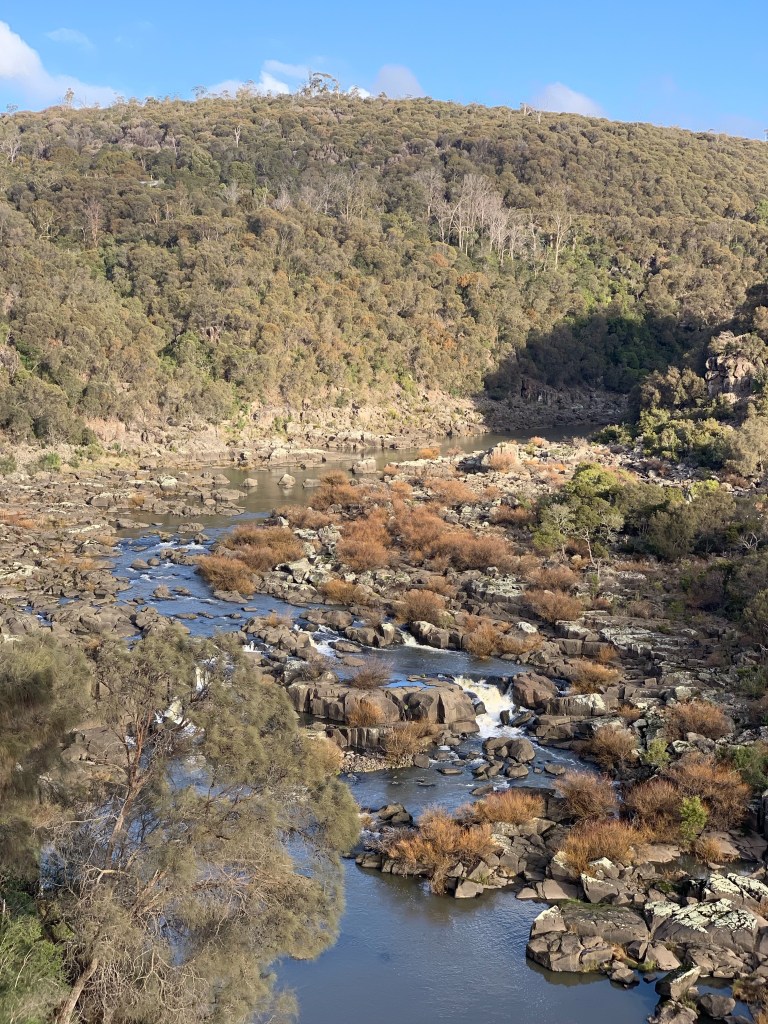
I arrived on Friday afternoon and there was no school on Monday, so I had three days until the start of the school term. On Saturday, Dean and I went to Cataract Gorge, one of Tasmania’s oldest tourist attractions. I saw some amazing scenery and animals I had never seen before. The next day Dean took me on a tour of Launceston. We walked all around the small city, home to only 67,000 people, and we went to all the main landmarks of the city.
On Monday, we went to Scotch Oakburn College to get my uniform. I got to see the school I’d be attending for the next six weeks. There was a slow buildup of anxiety as the day went on. I wasn’t really worried about classes or about making friends. I was worried about the stares. During the school year before summer, people were constantly telling me about how there was pretty intense racism mainly towards black people in Australia. I let this influence how I viewed people early on, and I thought that this would just make school life even harder.
The first day of school rolled around and I could feel the stares as soon as I stepped on campus. I wasn’t sure if they were staring because of my skin or because I was an unfamiliar student, so I kept the judging to a minimum. Little did I know that those were just stares of curiosity, and that those same people would show me an endless amount of kindness over the next six weeks.
Dean and I made it to our first class of the day, Japanese. He introduced me to everyone, and the hour-and-40-minute class period began. It was weird because I didn’t understand a lot of what they were saying although they spoke in English from time to time, so I basically just sat there spaced out until it was over. Next we had a 20-minute break in which Dean introduced me to a couple of his friends, and we talked until the next class started. Not much happened in the class
After the class ended, we made our way over to assembly, which is just like morning meeting. They went through some announcements, a couple of people gave speeches, and eventually the exchange director called all the exchanges to the front to be introduced to the whole school. I went up with Dean and I was excited to see the other people who would be going on this experience with me. When I got up to the front I looked to my left and saw just one other girl, who wasn’t even an exchange. Her exchange was having problems getting to Tasmania and didn’t show up throughout all the time that I was here. So I was Scotch Oakburn’s only exchange for the next six weeks.
Lunch was
right after. Towards the end of it a huge group of guys came up to me. They
immediately started launching questions left and right. “Do you play
basketball? Do you watch the NBA? Who’s your favorite team,” and other
questions like that. Someone even asked me if I was related to Michael Jordan,
and I’m pretty sure he was serious. To be honest, I was relieved to know that
they love basketball over here. The next day at around the same time, I saw the
same guys playing basketball outside. As I saw them, somebody came up to me and
asked if me if I wanted to join. I said yeah and went out to play. While we
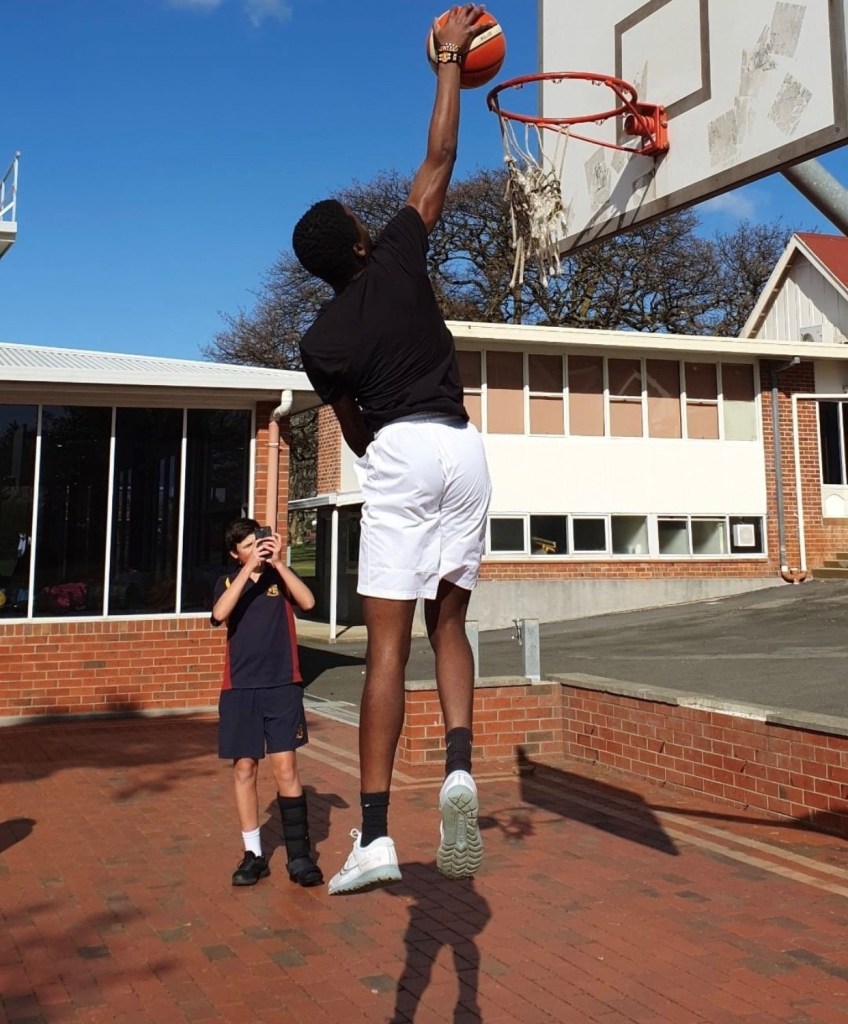
were in the middle of a game, some of the guys asked me if I could dunk. I told
him I could. It took me a couple of attempts, but I got one to go down and all
the guys went crazy. They started yelling and running around and all I could do
was laugh. As I was on my way to the last class of the day, people started
walking up to me and asking me if I could really dunk and some other basketball
questions. Although it wasn’t how I planned to do it, I was already making new
friends and connections. I didn’t realize it at that moment, but that was the
first time I had fun since leaving the US.
The
school days that followed were fun and full of surprises. I met new people,
learned a lot of new things, and participated in some really cool school events,
like their peace festival and singing carnival. Classes took some getting used
to. A lot of them are full of disruptive and loud kids who don’t really seem to
care about their grades, but there are some responsible kids who do. On the
weekends my host family took me to places all over Launceston. We watched an
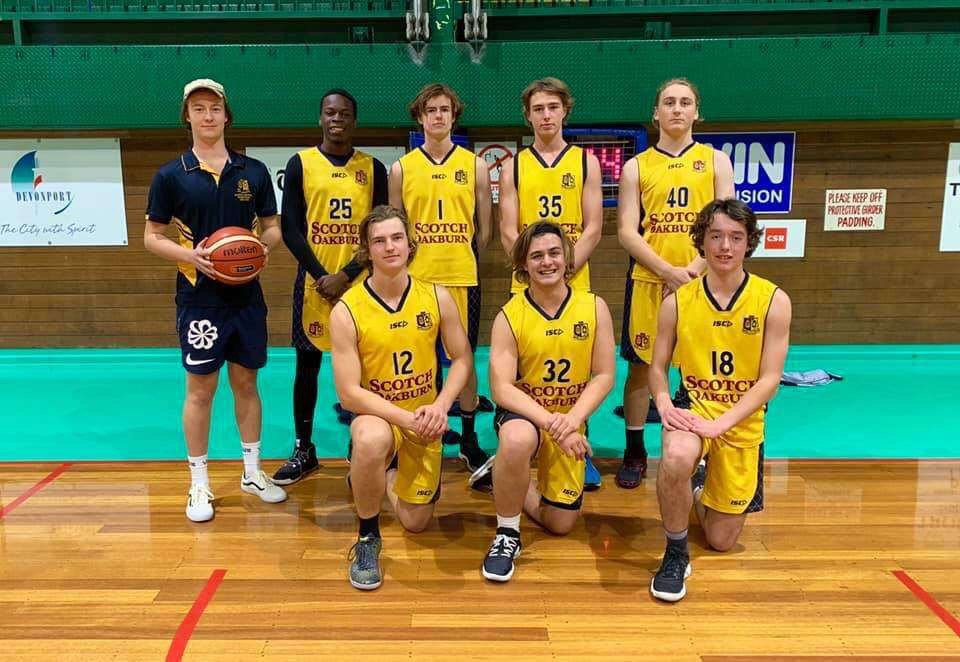
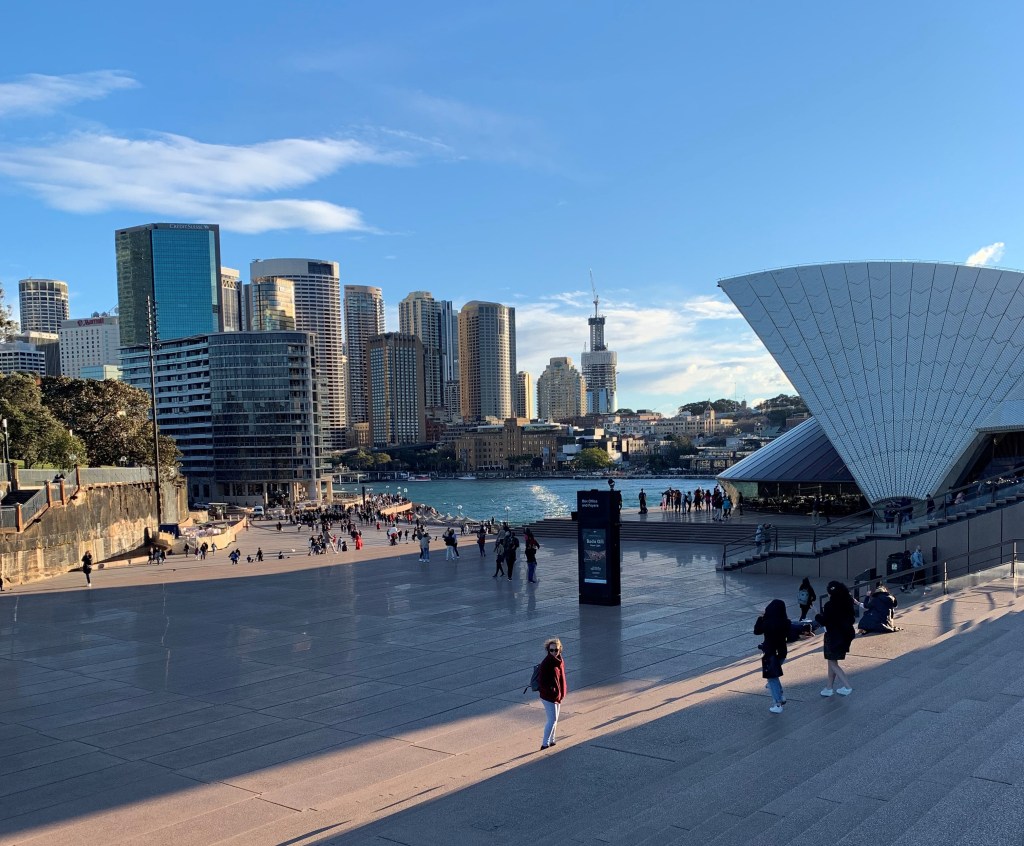
AFL game, toured Sydney, and I even got to play in the basketball tournament that
Scotch Oakburn was participating in.
My time in Australia has been amazing. I’ve gotten to do and see things that I probably never would have if I hadn’t gone on exchange. When I look back on it, it’s hard to believe that I didn’t want to go on exchange. If not for my mom, who made me go, or for the fact that I wasn’t sent to South America, I would not have had as amazing of an experience as I’ve had here in Tasmania. To anyone who’s hesitating to go on exchange, or if you don’t feel like going on exchange at all, I strongly encourage you to give it a chance. I used to want nothing to do with exchange at all, but I ended up loving every single day of it. I leave in two days, and while I’m sad to go, I’m also a little happy to be returning home. I’ve seen and experienced a lot of what Tasmania has to offer, and I’m hoping that one day I’ll be back to see it all again.
The
beginning of my trip to South Africa was hectic, to say the least. After an
eleven-hour layover in Frankfurt, I flew from Germany down to OR Tambo International
Airport in Johannesburg. Arriving there, I was relieved to be almost done with
my journey. After waiting for around half an hour in the immigration line, I
was told that I didn’t have everything I needed as an unaccompanied minor entering
South Africa. No one had told me that I needed more than my passport, and even
if I had read it somewhere, when packing I didn’t know. For those of you who
are unaware, when traveling into South Africa as an unaccompanied minor, one
needs not only their passport, but a copy of their birth certificate and a
letter signed by both parents approving the travel. As this progressed, my
sleep-deprived mind became more and more convinced that my journey would end
before it begun. I called my parents with my eyes filled with tears. Keep in
mind that it was past 1 AM back home, so it was a miracle I was able to contact
them at all. Luckily, I was able to get a letter from each parent, as well as a
photo of my birth certificate in under an hour. Given the circumstances, the
border control officers accepted this and let me move forward to meet my host
family.
After
my nearly three days of travel, as well as an hour of anxiety inducing border
control, I was ready to take a nap. After a brief stop at a high school rugby
game, we proceeded to the place we would be staying that night in Pretoria. The
rest of that day is a bit blurry, and mostly made up of me sleeping as my host
family enjoyed the day in Pretoria. Despite the chaotic beginning to my trip, the
first day was alright. Since then my trip has gone off without a hitch.
The next day, we drove for four hours from Pretoria to my
host family’s house in Sabie to prepare for school, which started the next day.
One big difference between our schools and schools in South Africa is that
school here starts at 7 AM. Given that Sabie is a 45-minute drive from
Nelspruit, where Penryn is located, that meant I have woken up at 5 AM every
morning for school. Given that for the first week of school I was only able to
fall asleep at around 2 AM, I was very tired for the start of school. For this
reason, I would highly recommend travelling to your country around a week
before the term starts.
Apart from the uniforms and the difference in starting time,
Penryn is not all that different than Athenian. In general classes are small,
though with a more classic layout, with desks in lines, as opposed to our
generally circular table layout. Students here have a bit more control over
which subjects they take. Rather than needing to meet a requirement in every
subject, they choose three subjects to focus on after grade 9. From then they take
only classes in those subjects, along with a language (generally Afrikaans or
Siswati) and a math. Despite the differences in schooling here, and a few differences
in beliefs, political and otherwise, the people here are really not that
different from people at home. With the ups and downs of life in high school, there
will always be tired students, gossip, and drama, no matter where you are.
There will always be adults giving (sometimes unwarranted) life advice. People
will always be people.
Over the course of the weekends since I’ve arrived, I’ve
done many different things with my family, from chill weekends at the house to
10-hour drives through the Kruger National Park. We’ve really done as much as
we could with the time I’ve had here. There was one long weekend where Amber’s
sister and a friend came to visit from Johannesburg, and we visited an elephant
sanctuary together. The next weekend, we went to the Kruger. That weekend was
incredible. We saw so many rare animals, including seven lions, two leopards,
three rhinos, and a bunch of wild dogs. The Kruger is one of the biggest
tourist attractions in South Africa, and one of the largest national parks in
the world. I learned that if you drive every single road in the Kruger, you
will see less than 5% of all the land in the park.
I am still not done with my trip, but this is my last week in school. This coming Saturday, I will be leaving on a four-day, three-night hiking expedition, a requirement for all grade tens here, including Amber. The hike will end on Tuesday, and I will be going home the following Sunday. My trip has been a whirlwind of new people and incredible experiences, and I am not ready to go home. It really is true that time flies when you’re having fun, and this trip has been no different.
After two long
days of travelling, I arrived in South Africa on July 21st. I was
pleasantly greeted by my exchange, her mom, and her best friend. The first
initial change I saw from California was that they drive on the left side of
the road. The car ride from the Cape Town airport to my home for the next six
weeks was one I will never forget. The whole car ride I was looking out the
window taking in all the new, beautiful views. I was amazed by the mountains we
were surrounded by and how they differed from those in California. Along the
highway I continued to see farms and vineyards up until my exchange’s house.
My first
three days were the hardest because everything was new. I was still settling
into the fact that I was across the world form all my friends and family, and
at the same time I was being introduced to a whole new culture and family. My
first day of school was very overwhelming. I was meeting so many new people in
a short amount of time and Bridge House is so different from Athenian. Two
differences from Athenian I immediately noticed were how the students referred
to their teachers as Ma’am and Sir, as well as how they wore uniforms. It took
me about a week to settle into the school and find my way around because the
campus is bigger than the Athenian campus.
I have
been staying in a small town called Franschhoek, which is only about 15 minutes
away from my school. The town isn’t drastically different from Danville, but there
are some differences I’ve seen. The town is much smaller than Danville and
everything is within walking distance. It also has more extreme differences
between poverty and wealth. Within a minute driving down the main road you can
see a township, showing extreme poverty, and then an expensive restaurant
ranked top ten in South Africa. It has been very eye opening to see the extremes
of both poverty and wealth in such a small area, and how people in the
community are continuously helping each other.
So far, I
have been able to climb Lions Head and Table Mountain, which were both a lot of
fun. Unfortunately, when we climbed Lions Head the fog was very bad so there
wasn’t much of a view, but we still made the most out of the situation. I have
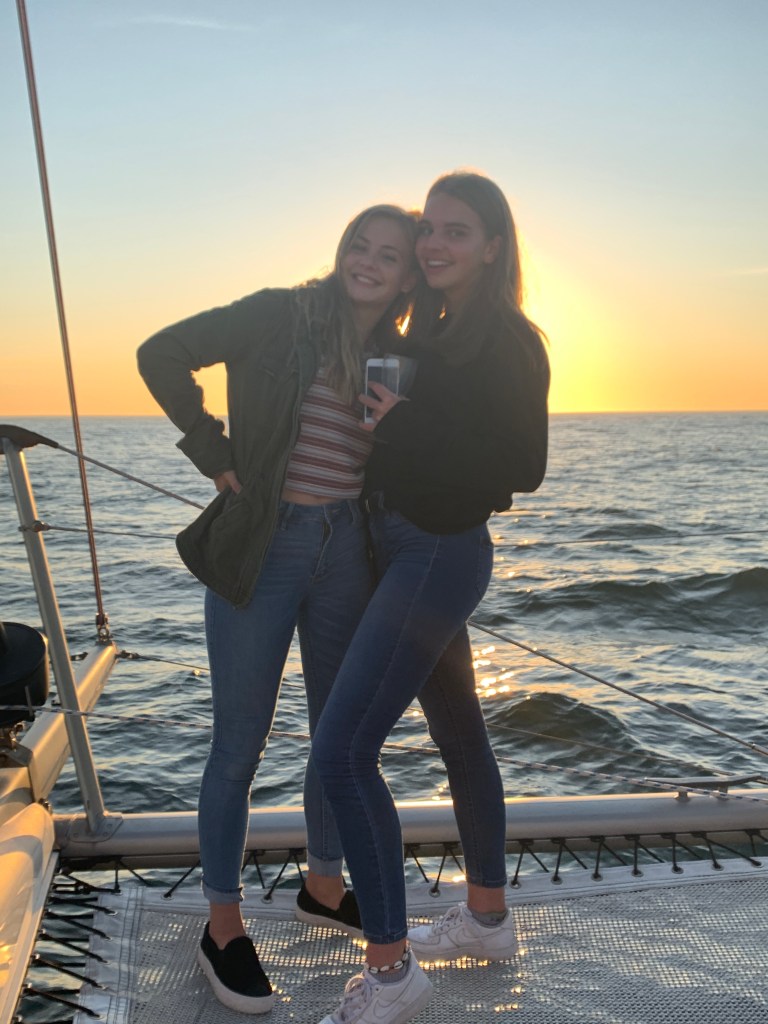
explored Cape Town, gone on a sunset boat ride, and driven to Hout Bay to go to
a famous market. I have enjoyed seeing these different parts of South Africa
and embracing the culture and traditions.
Exchange
as a whole has been the most amazing experience of my life. It wasn’t easy at
first–in fact, it was very hard–but in the end it has helped me to become a
better person. I am more confident in myself after having to make new
friendships with people I had never met before and coming alone to a country
across the world. Being alone throughout this experience has allowed me to
learn a lot about myself that I couldn’t without exchange. I have learned to
enjoy every moment, no matter how small, and not to be afraid to do things out
of my comfort zone.
It might seem scary to leave home all alone and travel to another country, but I highly recommend going on exchange because it is such an amazing experience you can grow from. I have made friendships that I will never forget and will cherish forever. I have been so lucky to have such an amazing exchange experience and amazing exchange partner to experience it with. South Africa and the people here have changed my life. I will never forget the things I have learned and the people I have met.


 As for my classes, the teachers did a great job welcoming and introducing me to everyone. They always made sure to fill me in on content I had missed, which was very helpful. The classes I participated in were child development, biology, physics, history, and history of Peru. One challenge in the history of Peru class was that it was taught in Spanish, but I was able to observe the teacher’s screen and gain some context. In a lot of my classes the teachers would put us in breakout rooms to research different topics, which I really enjoyed because I would usually be with my buddy and 1-2 other girls. I learned a lot about ecosystems, childbirth, China and Japan’s history, and kinetic energy.















 The Athenian School Exchange Blog